
 by
by 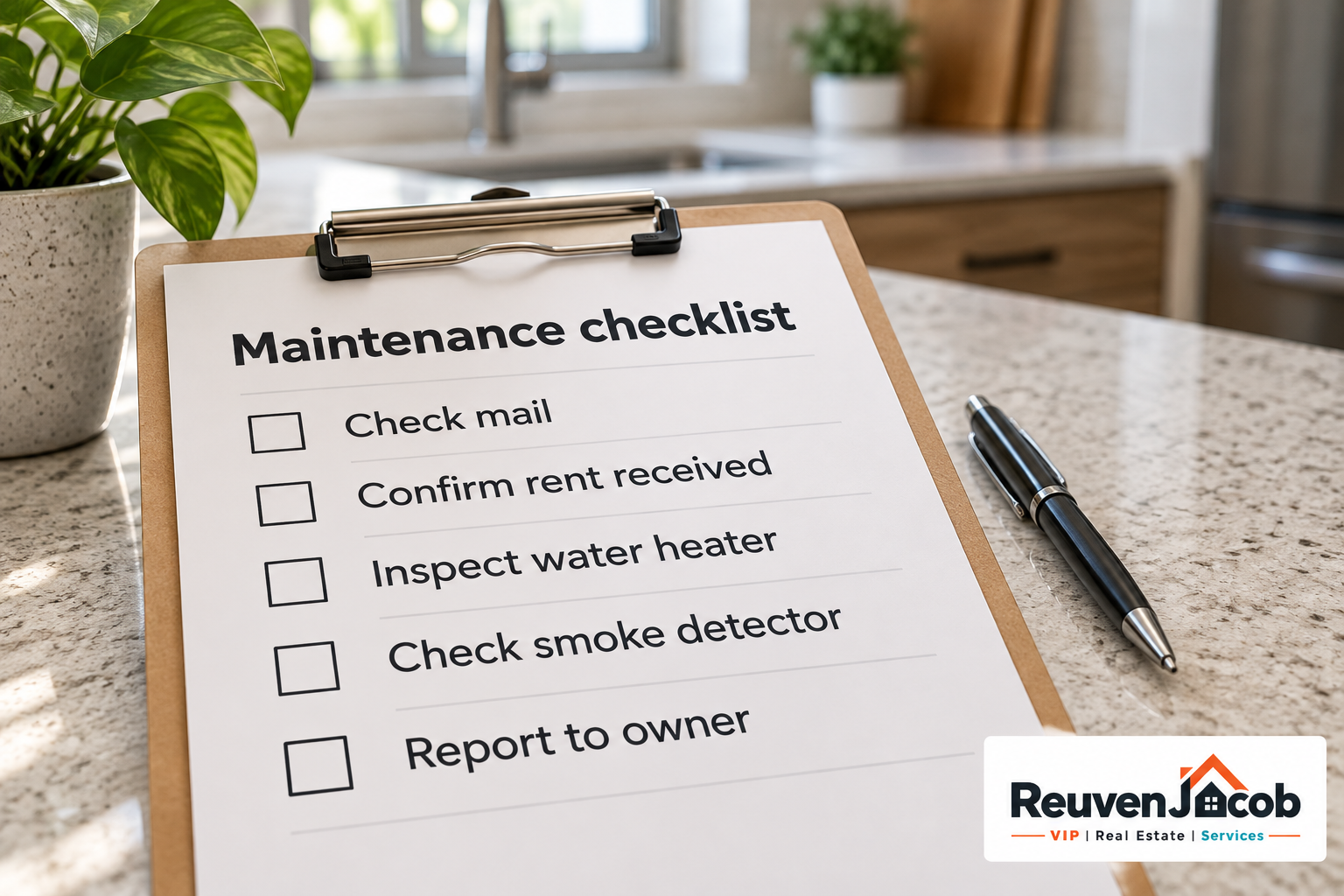
Every owner hires a property manager for the same reason: so the property runs without them. Then the first problem arrives. A tenant calls about a leak, nobody answers for three days, and by the time a plumber shows up, the tenant is threatening to hold back rent. The fee was paid. The peace of mind wasn’t delivered.
So what separates a manager who earns their fee from one who simply collects it? Drawing on his experience buying, renting and managing property in Beit Shemesh, Reuven Jacob’s answer comes down to a few practical qualities, most of which you can check before you sign anything.
Can you actually reach them, in your language?
Availability sounds obvious until you need it. A manager who answers on Sunday morning but not on Thursday night is only half a manager, because problems rarely keep office hours.
Language matters just as much. For English-speaking owners, and often for English-speaking tenants, a manager who can explain a problem clearly, in your language, removes a layer of confusion from every conversation. You should never have to wonder whether something important was lost in translation.
Who do they call when something breaks?
A property manager is only as fast as their contact list. From plumbers and electricians to air-conditioning technicians, a good manager has trusted professionals they can bring in quickly, at fair prices, without starting a search from scratch every time.
Speed is not a luxury here. For residential tenancies covered by the relevant provisions of Israel’s Rental and Loan Law, landlords must address non-minor defects not caused by unreasonable tenant use within a reasonable time, and no later than 30 days after the tenant requests a repair. An urgent defect that prevents reasonable habitation must be addressed within a reasonable time and no later than three days. Kol Zchut’s repair guidance explains the conditions and the tenant’s remedies. A manager needs a reliable network and a clear process for responding within those limits.
Can they keep everyone satisfied?
Between the owner who wants costs kept down and the tenant who wants the problem gone yesterday, the manager sits in the middle. That calls for diplomacy as much as logistics.
The best managers communicate clearly with both sides: what happened, what is being done, what it will cost and when it will be finished. Small problems handled with good communication rarely become big ones. Small problems handled with silence almost always do.
Agree how updates will reach you before a problem arises. A short report linking the work carried out, the supporting receipts and any decisions needed makes it easier to follow the property from a distance.

What does the monthly fee actually cover?
This is where many owners discover a gap between what they assumed and what they agreed to.
Before you sign, get a written definition of the manager’s responsibilities. A monthly fee might reasonably include:
- Checking the mail
- Making sure rent arrives on time
- Handling tenant questions and complaints
- Calling in service professionals when needed
Just as important is what the fee does not include. Callout charges and repair costs may be billed separately. Get a written quote stating the fee basis, whether VAT is included, which services are covered and how additional costs will be approved. Clarity now prevents an unpleasant invoice later.
Why handyman skills save you real money
There’s no such thing as a small callout fee. Well, there is, but it adds up quickly when a professional is called for every minor issue.
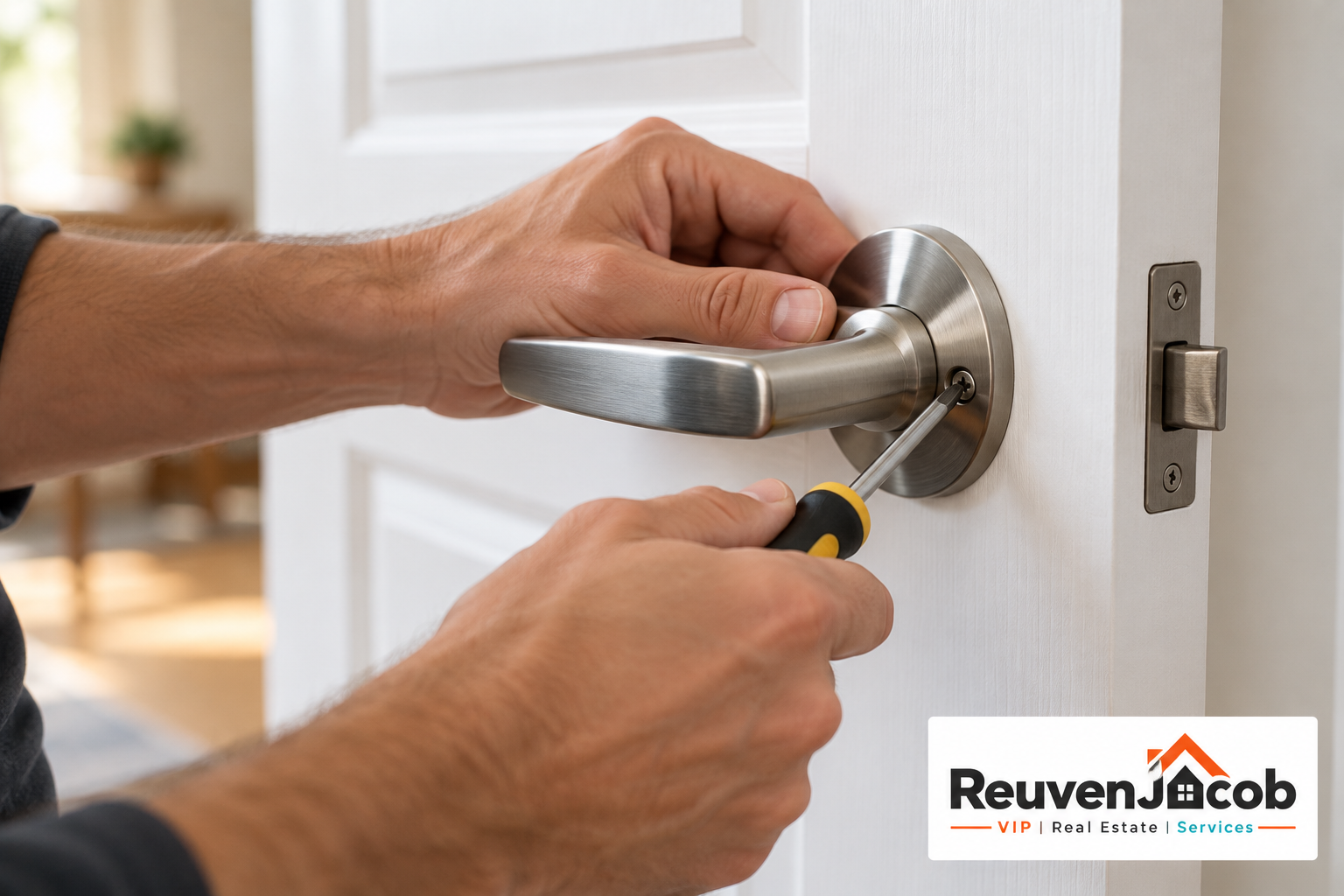
A loose door handle or a straightforward minor repair may be something a capable manager can resolve without a separate callout. Electrical, gas, structural and other specialist work should go to an appropriately qualified professional. The saving comes from knowing which jobs can safely be handled and which need an expert.
The law adds a wrinkle worth knowing. Under the Fair Rental Law, minor defects are generally the tenant’s responsibility unless the lease says otherwise, while anything more serious and not caused by unreasonable use falls to the landlord (Kol Zchut, in Hebrew). A manager who knows where that line sits, and can fix the small things quickly either way, prevents a lot of arguments.
Questions to ask before you hire
Before choosing a property manager, ask:
- How quickly do you respond to tenant calls, including evenings?
- Which professionals do you work with, and how long have you worked with them?
- What exactly does the monthly fee include, in writing?
- How are repairs approved and billed?
- Which small repairs can you handle yourself?
- How and how often will you report to me?
The answers will tell you quickly whether you’re hiring someone who manages problems or someone who forwards them.
Sources and further reading
- Fair Rental Law, Ohad Shpak Law Office
- Repairing defects in a rented apartment (Hebrew), Kol Zchut
- Vaad Bayit: Building Maintenance and Management in Israel, Buyitinisrael
- Related on this blog: Owning an Israeli Rental Property From Abroad and How to Screen a Tenant Before Handing Over the Keys
Let a local team carry the load
Reuven Jacob’s team manages long-term and short-term rentals across Beit Shemesh, with a network of trusted local professionals and hands-on handyman capability built in. If you want your property managed by people who answer the phone, speak your language and fix the small things before they become big ones, contact Reuven Jacob or call 052-561-0702.

Join The Discussion