
 by
by 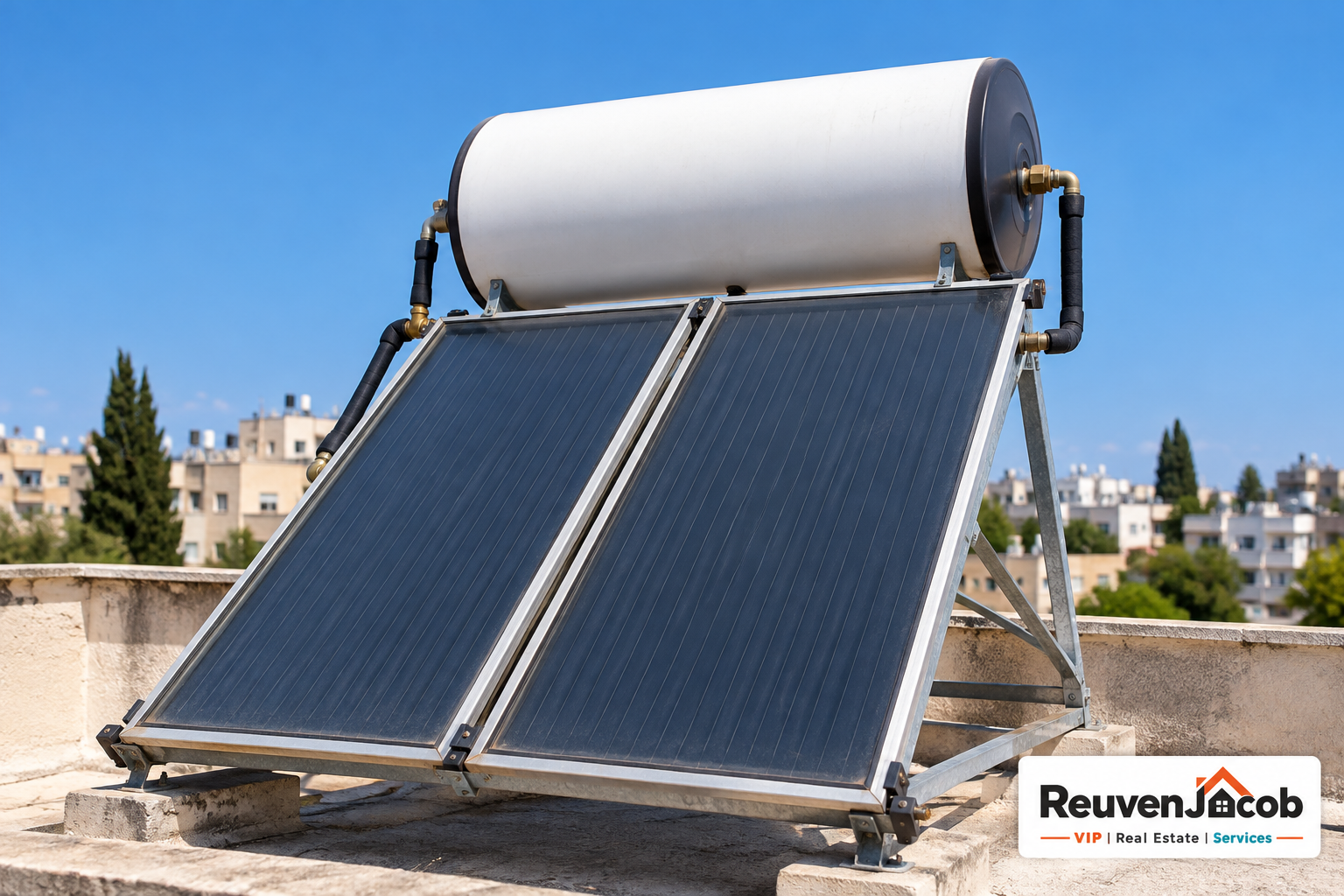
For many families abroad, an apartment in Beit Shemesh is an investment, a foothold and a plan for the future all at once. Renting it out in the meantime makes sense. Managing it from another continent is where the plan gets complicated.
Faced with a different time zone, a different language and no one on the ground, even a well-organized owner can find a routine problem turning into an expensive one. As Reuven Jacob puts it, without the right local support, it can quickly become a recipe for disaster.
What happens when something breaks at 2 a.m.?
Take a common example. The dud shemesh (a rooftop solar water heater) develops a serious leak. Solar water heating is common in Israeli apartment buildings, and a failure can affect more than the hot-water supply. Water can spread to the apartment, the building and the neighbors below. The immediate need is to stop the damage and arrange a qualified professional; repair responsibility depends on the cause and the applicable tenancy rules.
Now picture the owner asleep in another time zone. The tenant calls and gets no answer. They message and wait. Meanwhile, the water keeps running.
The cost of a panicked tenant
This is where an emergency becomes an expensive one. A tenant who can’t reach anyone will do the reasonable thing: call the first professional they can find. That is rarely the most affordable one.
In fact, Israel’s Fair Rental Law allows a tenant facing a defect too urgent to wait to arrange the repair and then seek reimbursement for reasonable costs (Ohad Shpak Law Office). In practice, the owner pays either way. The only question is whether the work was arranged by someone who knows the local tradespeople and their prices, or by someone in a panic.
And beyond the bill, tenants remember who left them standing in water. Unaddressed problems are one of the fastest ways to lose a good tenant.
Agree a clear chain of communication before an urgent call comes in. The tenant should know the local contact, the manager should know the spending authority, and the owner should receive a record of the work and cost.

The hidden liability: arnona and utilities
Some of the most expensive problems don’t involve a leak at all.
When a tenant moves in, check who should be registered on the arnona account and each utility account, then complete the required transfer and keep confirmation. The lease, the tenancy period and the provider’s rules can affect the process. Do not assume the account changed simply because the tenant took possession. Nefesh B’Nefesh’s arnona guidance is a useful starting point for the municipal account.
It’s a simple administrative task. It’s also exactly the kind of task that falls between the cracks when the owner is abroad and assumes someone else handled it.
Neighbors, the building and the va’ad bayit
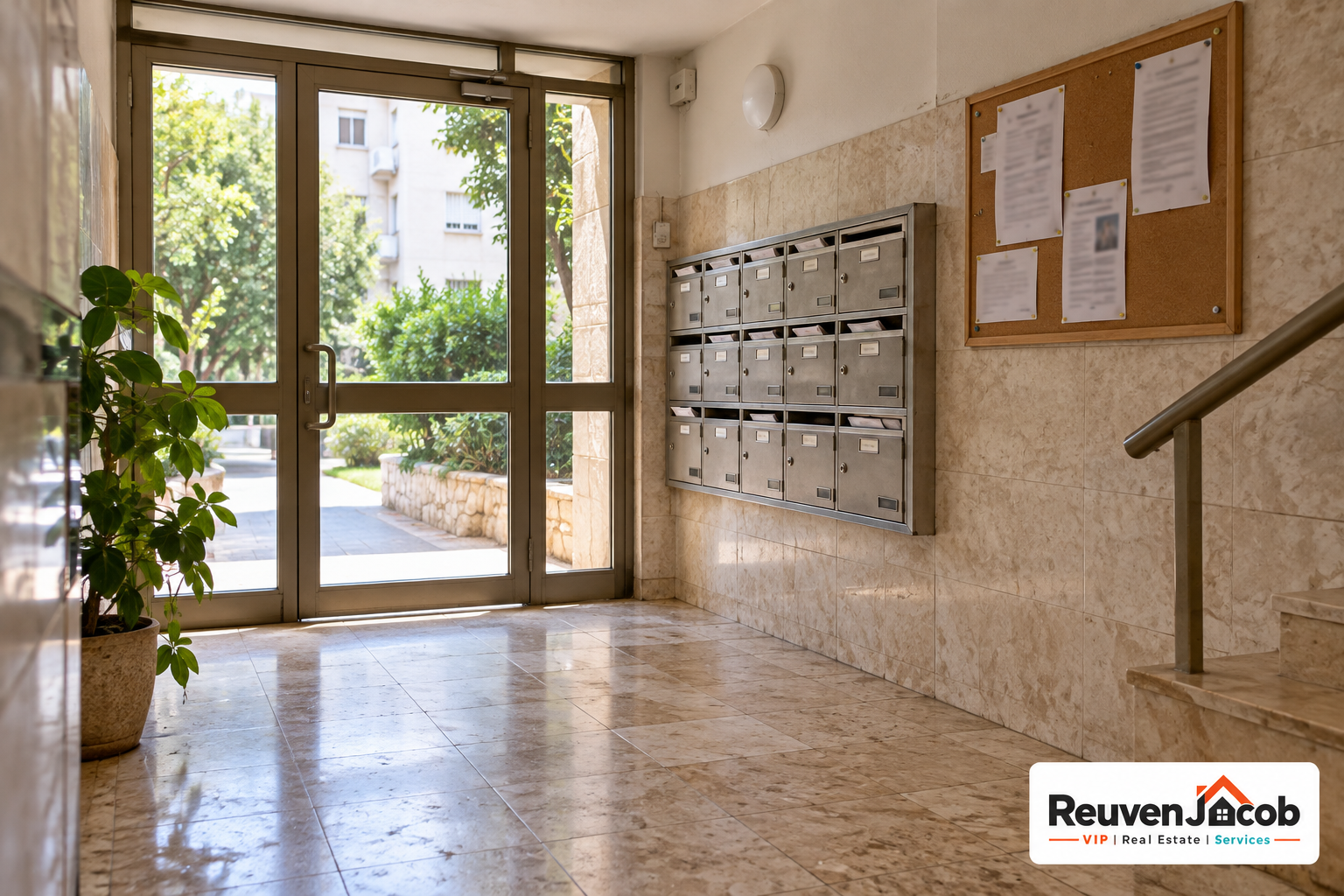
An apartment is part of a building, and a building is a community. Shared repairs, disputes, building fees and decisions about common areas involve the va’ad bayit (building committee). Check the current monthly charge, planned major works and whether a proposed expense belongs to the owner or tenant. For decisions about management companies or substantial changes, have your representative check the building’s documents and applicable approval requirements.
An owner abroad can’t easily attend those meetings or follow up on what was decided. A local manager can represent you, raise your concerns and make sure decisions that affect your property don’t happen without you.
What a local manager should handle for you
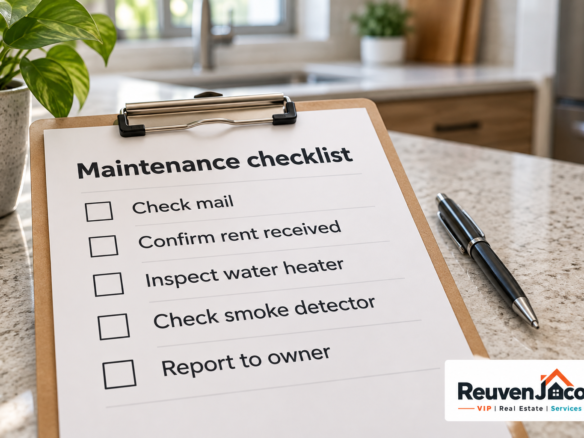
For an owner abroad, a reliable local representative makes routine tasks and emergencies easier to handle. Get a written management proposal that states the services, fees, VAT treatment, spending authority and reporting process. At a minimum, a good property-management company should cover:
- Emergency response, with trusted professionals available at short notice
- Routine maintenance and repairs, approved according to an agreed process
- Transferring arnona and utilities into the tenant’s name, and confirming it was done
- Rent collection and tenant communication
- Neighbor issues and representation at va’ad bayit meetings
The point isn’t to remove you from decisions. It’s to make sure someone is there when the decision can’t wait for your morning.
Sources and further reading
- Arnona (Reduced Municipal Tax), Nefesh B’Nefesh
- Vaad Bayit: Building Maintenance and Management in Israel, Buyitinisrael
- Leasing a Property in Israel, Ohad Shpak Law Office
- Repairing defects in a rented apartment (Hebrew), Kol Zchut
- Related on this blog: What Should a Good Property Manager Actually Do? and How to Screen a Tenant Before Handing Over the Keys
Manage your Beit Shemesh property with a local team
Reuven Jacob’s team manages properties for owners living abroad, handling everything from emergency repairs to municipal paperwork, so your investment is protected while you’re far away. To find out how it works, contact Reuven Jacob or call 052-561-0702.
Join The Discussion